


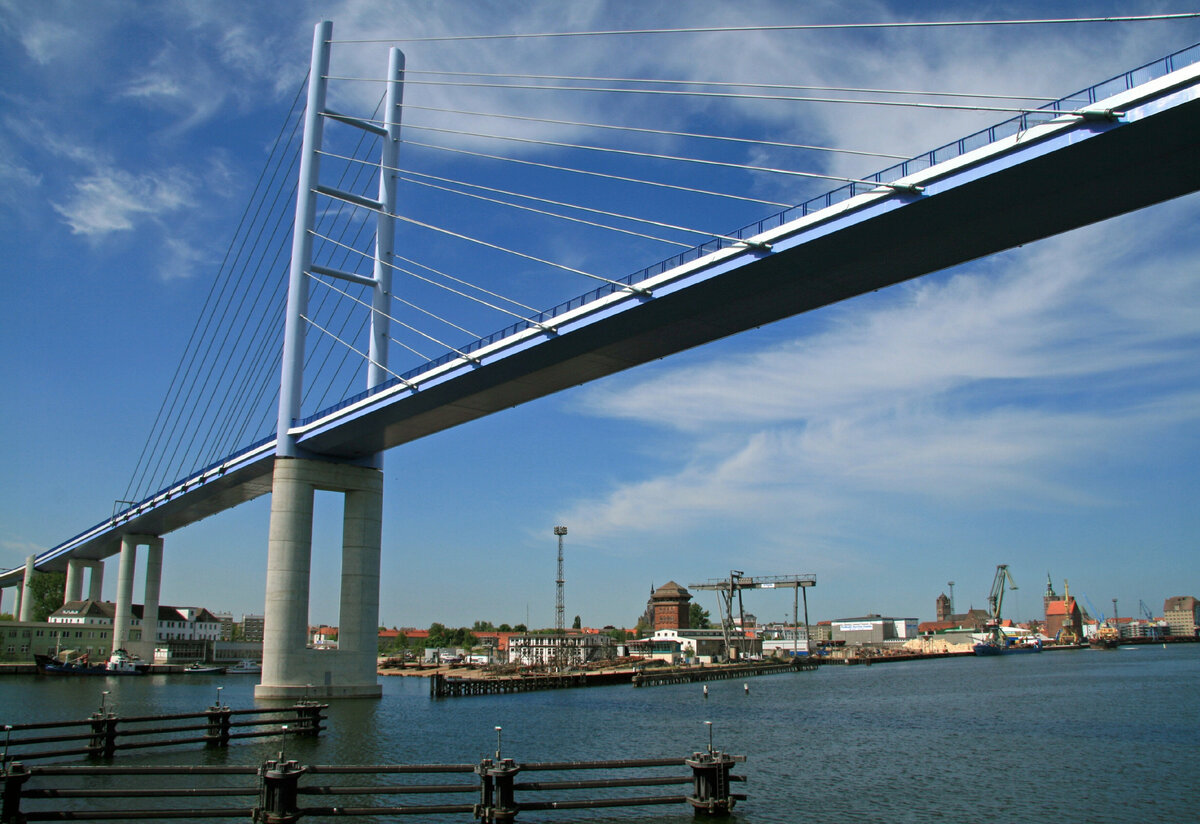
Dynamischer Wirtschaftsraum mit spannenden Perspektiven
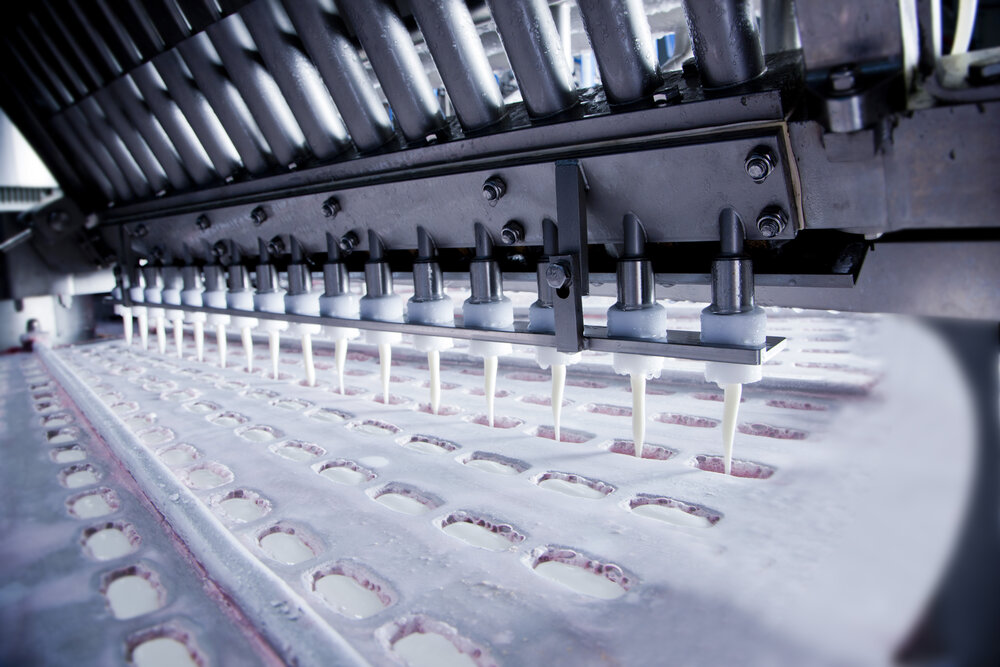
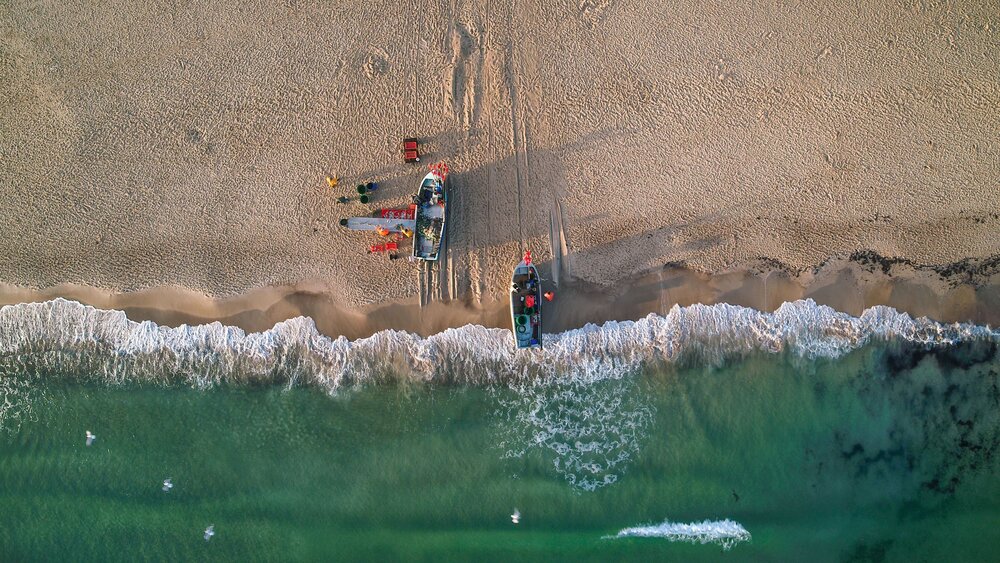
An der Küste Vorpommerns tragen Schiffbau, Hafenwirtschaft und Fischerei seit Jahrhunderten zum Wohlstand der Region bei. Das Meer und sein Klima sind auch die wichtigsten Pluspunkte für Tourismus und Gesundheitswirtschaft. Traditionell umsatzstark und weiter auf Wachstumskurs ist die Ernährungswirtschaft.
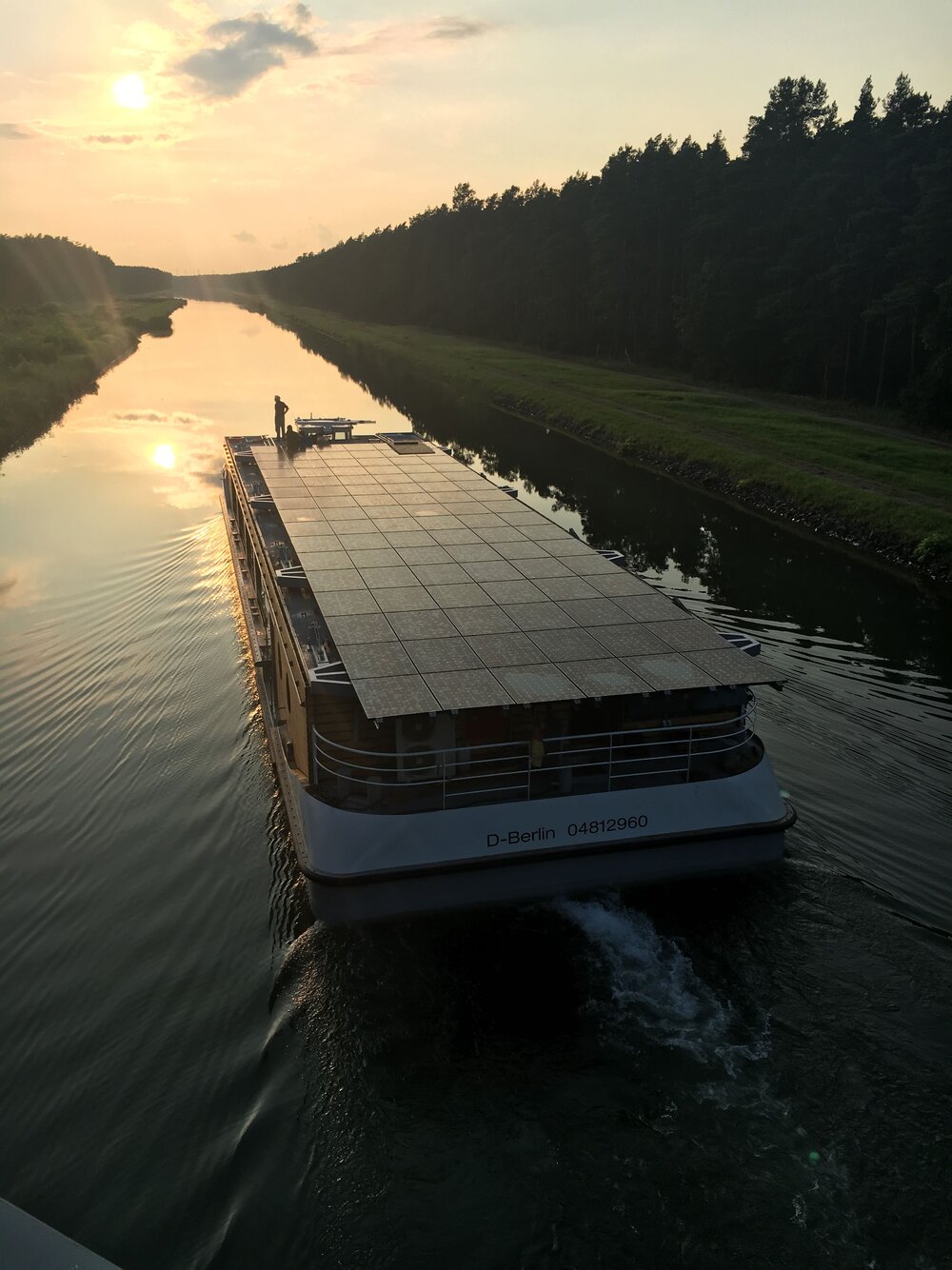
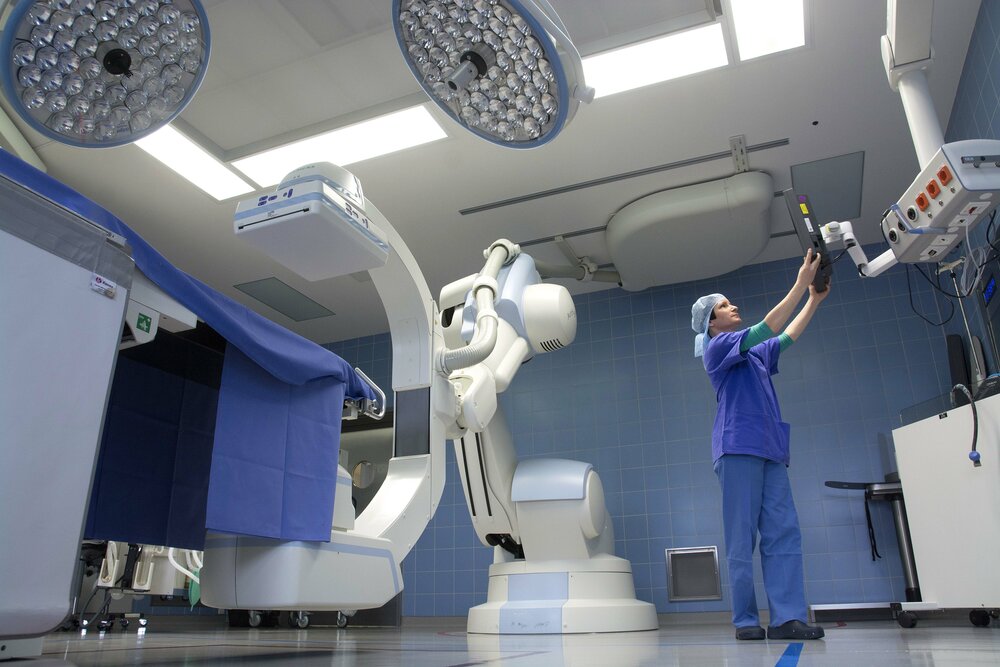
In der Medizin und der alternativen Energiegewinnung steht Vorpommern für internationale Spitzenforschung. Handwerk und Mittelstand bilden das wirtschaftliche Rückgrat des Landes und eröffnen Nachfolgekandidaten alternative Wege in die unternehmerische Selbstständigkeit.
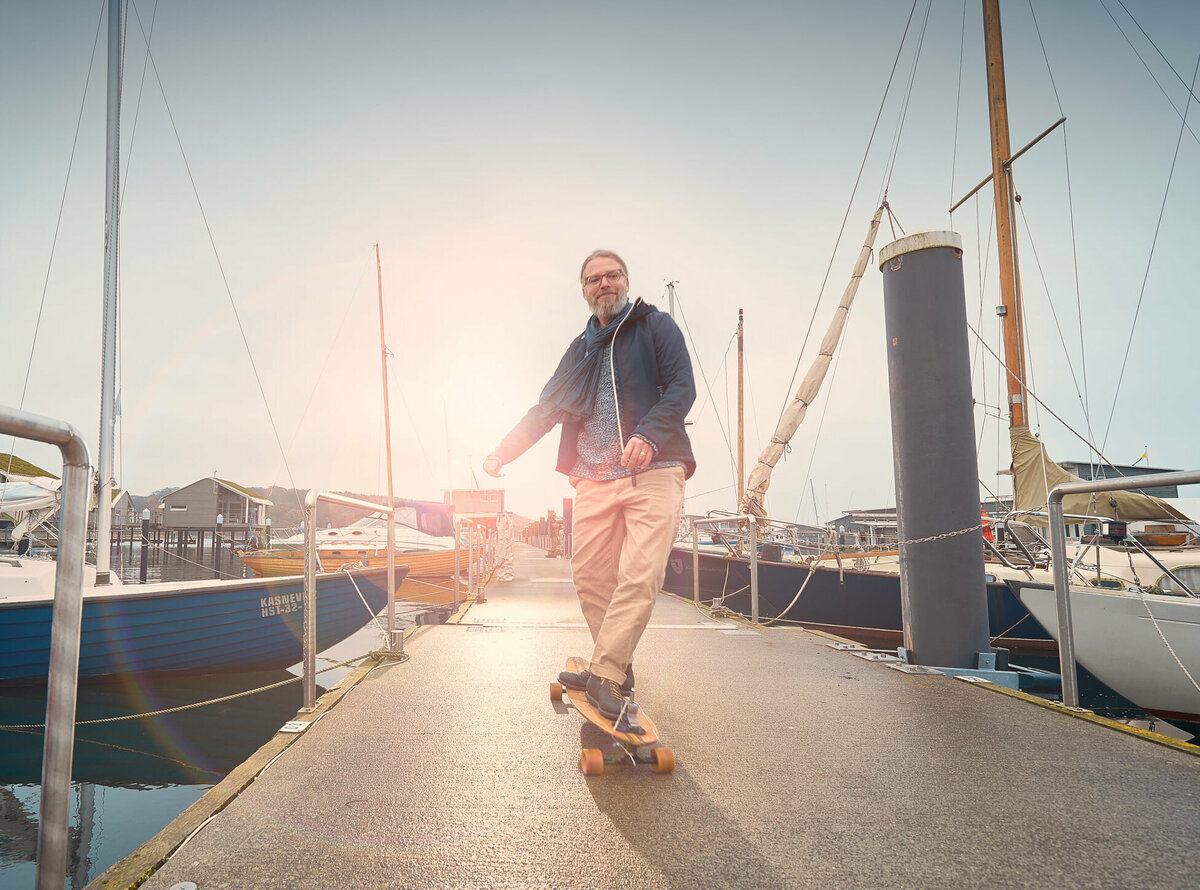
Arbeiten mit Meerblick
Arbeitnehmer haben in Vorpommern die Wahl zwischen international agierenden oder kleinen und mittelständischen Betrieben mit familiären Strukturen und flachen Hierarchien.
Unternehmen sorgen für eine gute Work-Life-Balance, bieten Aus- und Weiterbildungsmöglichkeiten, Gesundheitsprävention und flexible Arbeitszeitmodelle. Und nicht zuletzt gute Aufstiegs- und Entwicklungsmöglichkeiten.
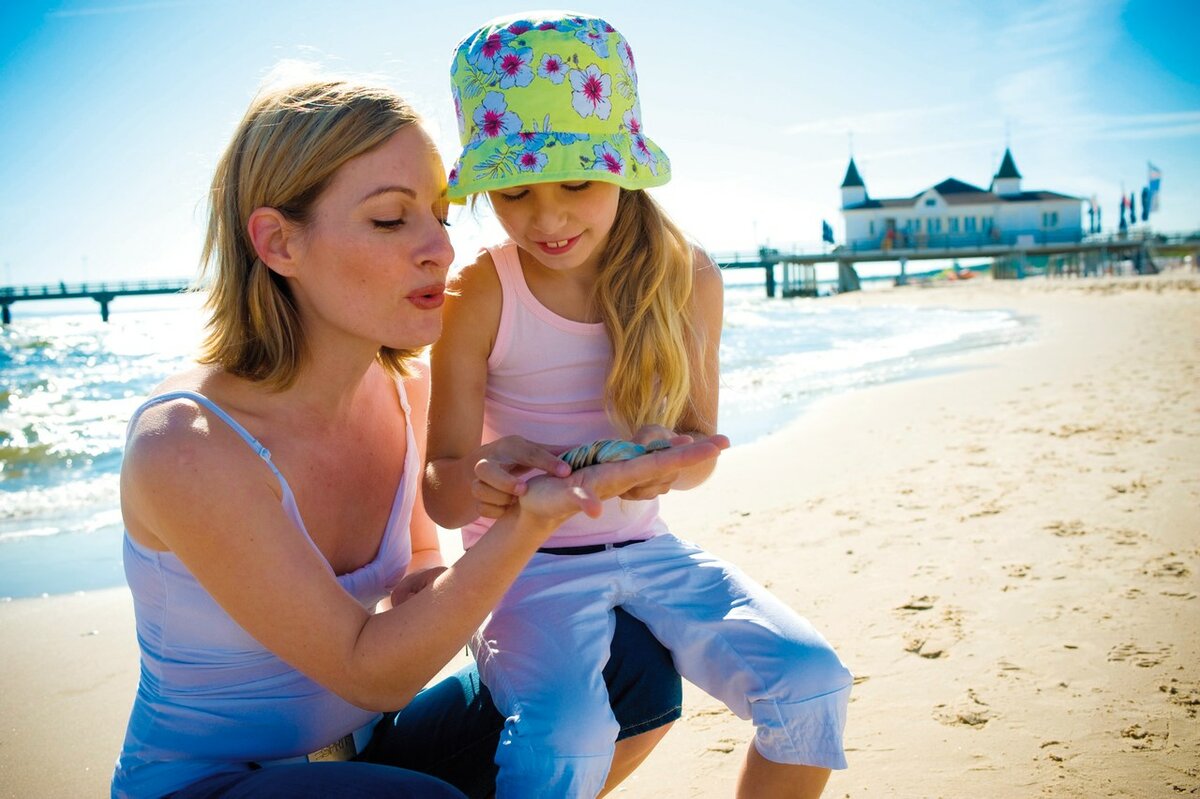
Kein Platz für Hektik
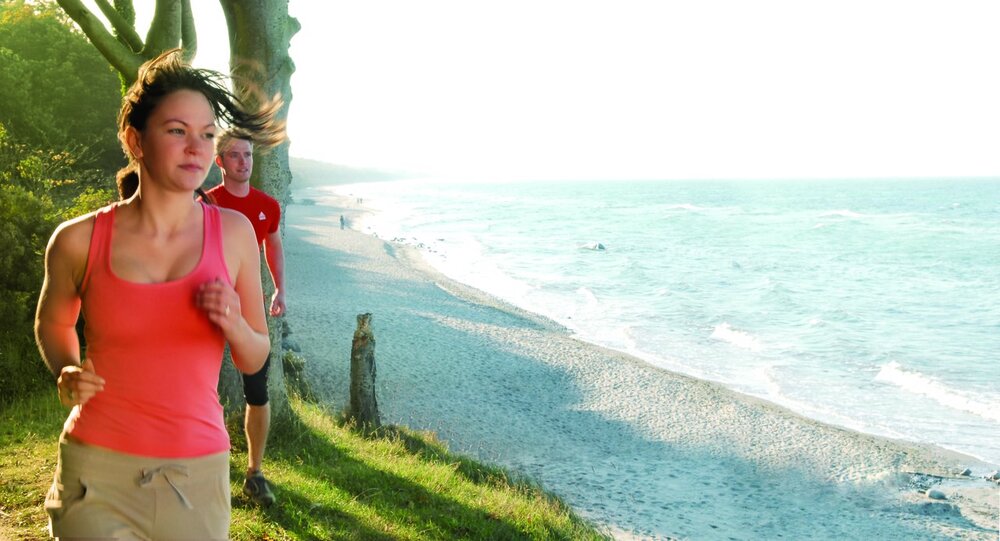
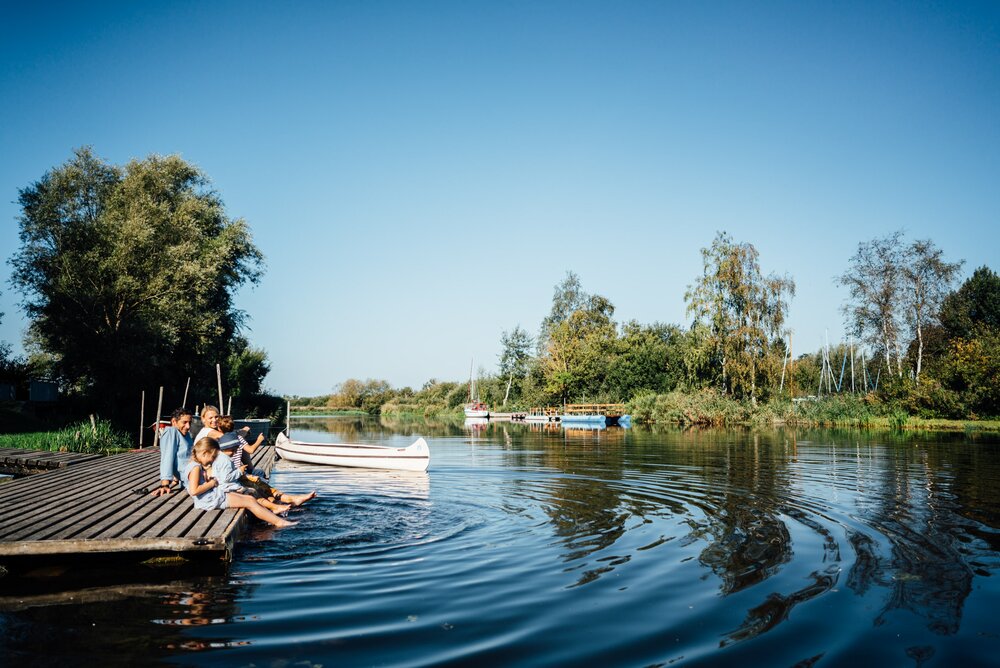
Gelegen an der Ostseeküste, mit den Inseln Rügen und Usedom sowie der Halbinsel Fischland-Darß-Zingst und zwischen den Metropolen Hamburg und Berlin, lässt Vorpommern sich gut zum Lebensmittelpunkt für Familien, Fachkräfte, Rückkehrer und Genießer machen.
Vorpommerns Wohnungsmarkt bietet viele und vor allem viele bezahlbare Optionen. Von der WG über die günstige Mietwohnung bis zum nagelneuen Eigenheim.
Und für Job, Freizeit und Familie sind die Wege kurz.
Gefördert mit Mitteln
der Europäischen Union




Arbeiten. Leben. Investieren.
Auf Deutschlands Sonnendeck
Wenn in den Metropolen die Luftwerte schlechter, die Mieten teurer und die Wege länger werden, dann ist Vorpommern eine spannende Option. Für Fachkräfte genauso wie für Gründer und Investoren. Fast alles wird hier vom Meer dominiert, von überdurchschnittlich viel Sonne und stets frischem Wind: Die Lebensqualität genauso wie die maritime Industrie, die Energiewirtschaft und der Tourismus, die Gesundheitswirtschaft und die Fischerei.
Denker und Macher finde hier viel Platz für ihre Ideen, einen Liegeplatz in Hafennähe und beste Anbindung an konsumstarke Märkte.
Reichlich Rückenwind von Wirtschaftsförderern, Welcome Centern und Behörden beflügeln ihre Visionen, innovative Netzwerke verstärken die eigenen Impulse und hochkarätige Wissenschaftseinrichtungen liefern frisches Know-how.